


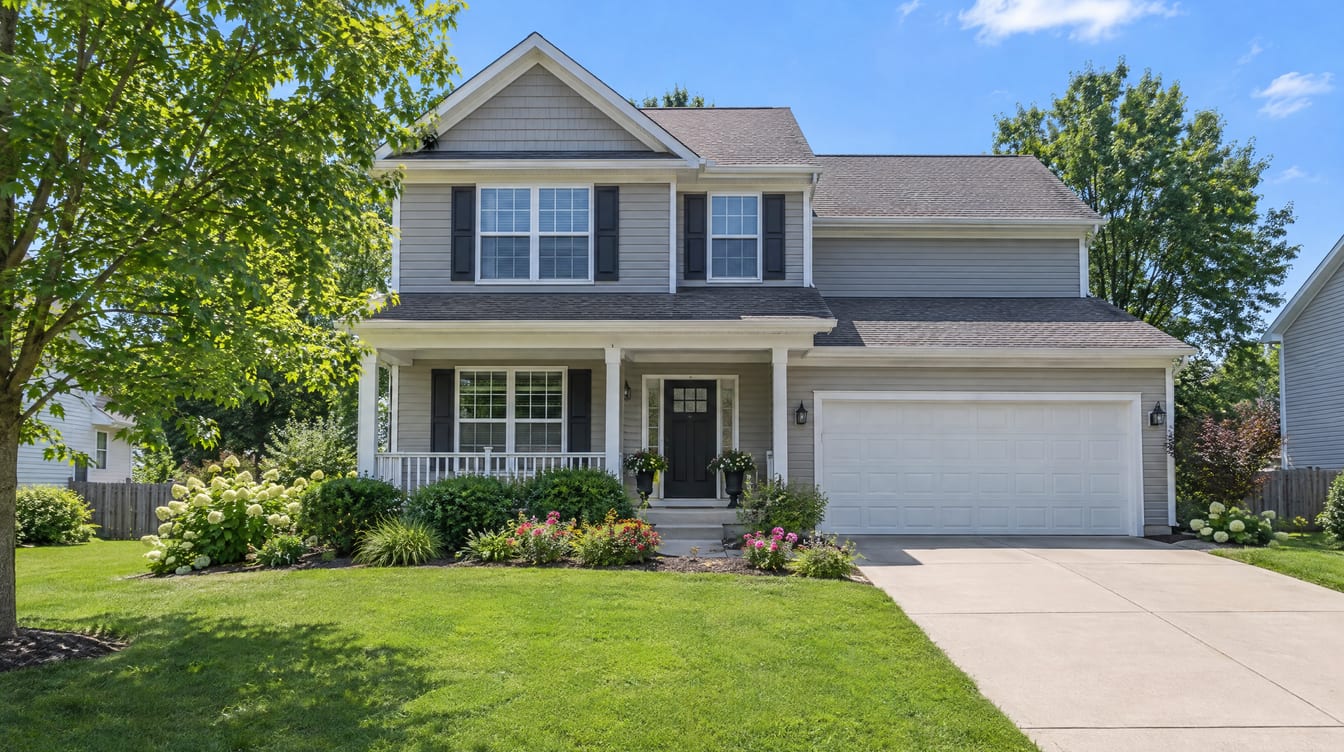
Investment property in South Jersey
Buy rental property in New Jersey with the rules in view
New Jersey asks a lot of landlords. Cathy Walters helps new and experienced investors understand the registration, inspection and tenant rules before they buy, so the numbers rest on the full picture.
What should I know before buying a rental property in New Jersey?
In New Jersey, a rental has to be registered with the town or with DCA's Bureau of Housing Inspection, pre-1978 units need lead-based paint inspections, and many South Jersey towns require a certificate before each new tenant moves in. Tenants are also protected by the Anti-Eviction Act and fair housing laws. Cathy Walters helps investors review these duties property by property before they make an offer.
A rental in New Jersey comes with duties that start before the first tenant moves in. Registration, lead-based paint inspections, municipal certificates and tenant protections all shape what a property can earn and what it costs to run. Cathy Walters helps investors across Burlington, Camden, Gloucester, Salem, Cumberland and Mercer counties connect the pieces before they commit.
Registration: who you file with depends on the building
New Jersey's landlord identity law requires the owner of a one- or two-unit rental that is not owner-occupied to file a registration statement with the clerk of the municipality where the building is located. An owner-occupied two-family home does not need to be registered. The statement must also be given in writing to each tenant and posted in the building.
A building with three or more units is a multiple dwelling under the New Jersey Hotel and Multiple Dwelling Law. Its owner registers with the Bureau of Housing Inspection in the Department of Community Affairs (DCA) instead. When a multiple dwelling changes hands, the new owner must register with the Bureau; DCA's instructions say within 20 days of taking ownership. Multiple dwellings are also inspected by the Bureau on a cycle that depends on the building's violation history.
Here's what that means for you: an unregistered landlord can have an eviction case held open, and eventually dismissed, until the registration is fixed. Registration belongs on your closing checklist, not your someday list.
Lead-safe certification for older rentals
Under P.L. 2021, c.182, certain single-family, two-family and multiple rental dwellings built before 1978 must be inspected for lead-based paint hazards. DCA says each covered unit must be inspected every three years, or upon tenant turnover, whichever is earlier. A lead-safe certificate is valid for two years from the date it is issued.
Some dwellings are exempt, including those built during or after 1978, those certified lead-free, certain seasonal rentals, and certain multiple dwellings with a long, clean registration history with DCA. Municipalities perform the inspection or hire a certified lead evaluation contractor, and they must let owners hire a certified contractor directly. If hazards are found, the owner must remediate them.
When you look at a pre-1978 rental, ask for the current lead-safe or lead-free certificate and build the inspection into your turnover plan.
Certificates of occupancy on tenant turnover
Many South Jersey towns require a rental inspection and a certificate before each new tenant moves in. In Cherry Hill, for example, a Rental Housing Certificate of Occupancy inspection is required for every rental unit whenever occupancy changes, and tenants may not move in until the certificate is issued. Each town sets its own process, so check the rental rules with the municipality where the property sits.
Tenant protections and fair housing
New Jersey's Anti-Eviction Act (N.J.S.A. 2A:18-61.1 et seq.) applies to most residential rentals, including single-family homes and apartment buildings. A landlord must have good cause to evict or to refuse to renew a lease, and must prove those grounds in court. The law may not apply to an owner-occupied building with two or fewer rental units. Landlords must also give tenants DCA's Truth in Renting statement, and every landlord must provide a Flood Risk Notice to prospective renters. The security deposit cannot be more than one and one-half times one month's rent (N.J.S.A. 46:8-21.2).
The federal Fair Housing Act and New Jersey's Law Against Discrimination both apply to rentals, and New Jersey's law protects more characteristics than federal law, including a tenant's source of lawful income or rent payment, such as Housing Choice Voucher assistance. HUD and the New Jersey Division on Civil Rights publish the full lists. Your screening criteria and your advertising both need to follow these rules.
1031 exchanges: plan before you sell
Section 1031 of the Internal Revenue Code lets an investor exchange real property held for business or investment for like-kind real property without recognizing gain at that time. Cash or other non-like-kind property received in the exchange can be taxable. A property used solely as your personal residence does not qualify.
The deadlines are set in the rules. The IRS says replacement property must be identified within 45 days after you transfer the property you are giving up, and received within 180 days or by the due date of your tax return, whichever is earlier. The exchange is reported on Form 8824. A qualified intermediary is commonly used, and the IRS notes that your agents and related parties are not eligible to serve as one. Talk with your CPA and attorney before you list the property you plan to exchange.
How Cathy works with investors
Cathy Walters has been a licensed New Jersey real estate professional since 2007 and has called South Jersey home since 1984. She offers acquisition guidance and portfolio development for both new and experienced investors.
She works with a network that includes real estate attorneys, contractors, CPAs, inspectors, appraisers, insurance professionals and mortgage professionals, so the questions about a property get to the right person early. Her eye for design helps you see what a property could become, and what that work may involve. As a Certified Real Estate Negotiator, she will walk you through each term before you agree to it. Let's look at the bigger picture together.
Quick facts
| 1–2 unit registration | Non-owner-occupied: municipal clerk (N.J.S.A. 46:8-27 to -37) |
|---|---|
| 3+ unit registration | NJ DCA Bureau of Housing Inspection (Hotel and Multiple Dwelling Law) |
| Lead-based paint | Pre-1978 rentals: inspection every 3 years or at turnover, unless exempt (P.L. 2021, c.182) |
| Lead-safe certificate | Valid for two years from issuance |
| Security deposit cap | 1.5 times one month's rent (N.J.S.A. 46:8-21.2) |
| Eviction law | Anti-Eviction Act, N.J.S.A. 2A:18-61.1 et seq. |
| 1031 deadlines | Identify in 45 days; receive in 180 days or by return due date |
| Tenant certificate | Set by each municipality; check before turnover |
Before you buy a New Jersey rental: what to check
- Confirm how many units the building has and who it must be registered with: the municipal clerk or DCA's Bureau of Housing Inspection.
- Ask for the current lead-safe or lead-free certificate on any pre-1978 unit.
- Call the town about its rental certificate of occupancy and inspection process for tenant turnover.
- Review existing leases, security deposits and the Truth in Renting and Flood Risk Notice records.
- Remember that existing tenants keep their Anti-Eviction Act protections after the sale.
- Talk with your CPA about 1031 timing before you list a property you plan to exchange.
- Ask your attorney to review registration, inspection and lease documents during attorney review.
Get matched with homes
Curated list within one business day.
FAQ
Questions people ask
Do I have to register a single-family rental in New Jersey?
Yes, if you do not live there. New Jersey's landlord identity law requires the owner of a one- or two-unit rental that is not owner-occupied to file a registration statement with the municipal clerk. Owner-occupied two-family homes are not required to register.
What changes when a building has three or more units?
It becomes a multiple dwelling under the Hotel and Multiple Dwelling Law. The owner registers with DCA's Bureau of Housing Inspection, the building must meet the state's maintenance regulations, and the Bureau inspects it on a cycle.
Does every older rental need a lead-based paint inspection?
Not every one. Pre-1978 single-family, two-family and multiple rental dwellings are covered unless an exemption applies, such as a lead-free certification, certain seasonal rentals, or a valid lead-safe certificate. Covered units are inspected every three years or at tenant turnover, whichever is earlier.
Can I end a tenant's lease when I buy the property?
Usually not without good cause. Under the Anti-Eviction Act, a landlord may not evict or refuse to renew most residential leases without one of the grounds in the law, proven in court. Exceptions are narrow, so review existing leases with an attorney before you buy.
Can I set a minimum income requirement or turn away voucher holders?
New Jersey's Law Against Discrimination protects source of lawful income or rent payment, including Housing Choice Voucher assistance. Talk with your attorney before you set screening criteria.
How does a 1031 exchange work?
You exchange investment or business real property for like-kind real property and do not recognize the gain at that time. You must identify the replacement within 45 days and receive it within 180 days or by your return's due date, whichever is earlier. Your CPA can tell you how it applies to you.
Can Cathy help me if I am buying my first investment property?
Yes. Cathy offers acquisition guidance and portfolio development for new and experienced investors, and she can introduce you to attorneys, CPAs, contractors, inspectors and mortgage professionals in her network.
Sources
- Truth in Renting: A guide to the rights and responsibilities of residential tenants and landlords in New Jersey · New Jersey Department of Community Affairs
- Lead-Based Paint Inspections in Rental Dwelling Units · New Jersey Department of Community Affairs
- Instructions: Applying for a Certificate of Registration · NJ DCA Bureau of Housing Inspection
- Landlord-Tenant Information · New Jersey Department of Community Affairs
- Housing Discrimination · New Jersey Department of Community Affairs
- Fair Housing Act Overview · U.S. Department of Housing and Urban Development
- Like-Kind Exchanges - Real Estate Tax Tips · Internal Revenue Service
- Instructions for Form 8824 · Internal Revenue Service
- Rental Housing Certificate of Occupancy · Township of Cherry Hill

Next step
Let's walk through your next investment
Tell Cathy what you are looking for and she will help you weigh the property, the rules and the numbers together.