


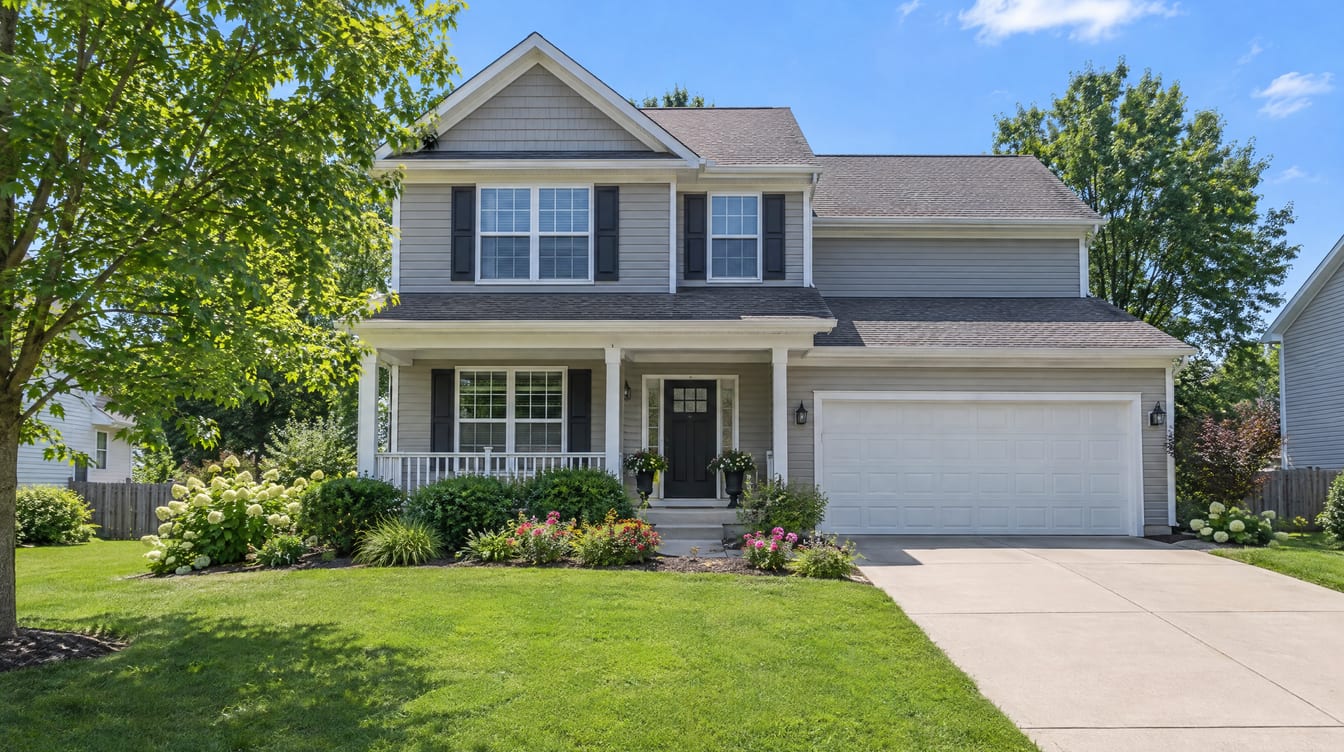
Two- to four-unit homes in South Jersey
Buying a two- to four-unit property in New Jersey
A duplex, triplex or fourplex can be a home, a rental, or both. Cathy Walters helps buyers check the financing, zoning, registration and inspection rules that come with more than one unit.
What should I know before buying a two- to four-unit property in New Jersey?
In New Jersey, confirm the legal number of units with the town's zoning office, and know that three or more units makes the building a multiple dwelling registered with DCA's Bureau of Housing Inspection. Pre-1978 rental units need lead-based paint inspections, and FHA and VA loans can apply if you will live in one unit. Cathy Walters helps South Jersey buyers check each of these before they make an offer.
A building with two to four units is financed, regulated and inspected differently from a single-family home. Whether you plan to live in one unit or rent them all, the rules depend on how many units there are, whether the owner lives there, and what the town allows. Let's take this one step at a time.
Financing when you live in one unit
Some government-backed loans can be used for a two- to four-unit building when you will live there. HUD's basic FHA program, Section 203(b), insures loans to purchase or refinance a principal residence, and eligible properties are one-to-four unit structures. VA home loans can be used to buy a home of up to 4 units, as long as you will live in the home you are buying.
Lenders set their own rules for things like how rental income from the other units is counted, so ask early. Cathy's preferred lender is Bradley Brondt, Branch Manager (NMLS 242550), The Brondt Cook Group at Acre Mortgage and Financial, Inc. in Cherry Hill. You're free to choose your own lender.
Confirm the legal unit count with the town
New Jersey's Municipal Land Use Law gives each municipality the power to zone. A use that is not permitted in the zone, or a density above the maximum permitted, generally requires a use variance from the zoning board of adjustment. That is why the number of units a listing describes and the number the town recognizes are not always the same.
Before you rely on rent from every unit, ask the municipal zoning office to confirm the permitted use and number of dwelling units for the property, and compare that with the certificate of occupancy and any past zoning board approvals.
Registration and inspections: two units versus three or more
If you do not live in a two-family home you rent out, the owner files a landlord registration statement with the municipal clerk. An owner-occupied two-family home does not need to be registered.
At three or more units, the building is a multiple dwelling under the New Jersey Hotel and Multiple Dwelling Law. It must be registered with the Bureau of Housing Inspection in the Department of Community Affairs (DCA), it must meet the state's maintenance regulations, and the Bureau inspects it on a cycle. A new owner registers with the Bureau after taking ownership; DCA's instructions say within 20 days.
Many towns also require a rental inspection and certificate when tenants change. In Cherry Hill, for example, tenants may not move in until the housing inspector issues a certificate of occupancy. Check the rules in the town where the building sits.
Lead-based paint and tenant rules
Under P.L. 2021, c.182, rental units in many pre-1978 two-family and multiple dwellings must be inspected for lead-based paint hazards every three years, or upon tenant turnover, whichever is earlier, unless an exemption applies. A lead-safe certificate is valid for two years.
Living in one unit changes some tenant rules. New Jersey's Anti-Eviction Act may not apply to an owner-occupied building with two or fewer rental units, and the Security Deposit Law has an exception for owner-occupied two- and three-family homes, though a tenant there may ask in writing for it to apply. Fair housing laws also shape how you advertise and choose tenants, so ask your attorney how they apply to your building. Here's what that means for you: whether you move in changes which rules you follow, so decide that before you write the offer.
How Cathy helps multi-family buyers
Cathy Walters has been a licensed New Jersey real estate professional since 2007 and offers acquisition guidance and portfolio development for new and experienced investors. She serves Burlington, Camden, Gloucester, Salem, Cumberland and Mercer counties.
Her concierge network includes real estate attorneys, inspectors, appraisers, contractors, CPAs, insurance professionals and mortgage professionals. She will help you connect the pieces between the lender, the town and the building, and her eye for design helps you see how each unit could work.
Quick facts
| FHA 203(b) | One-to-four unit structures; principal residence |
|---|---|
| VA home loan | Up to 4 units; you must live in the home |
| 2 units, not owner-occupied | Landlord registration with the municipal clerk |
| 3+ units | Multiple dwelling: register with NJ DCA Bureau of Housing Inspection |
| Lead-based paint | Pre-1978 rentals: every 3 years or at turnover, unless exempt |
| Legal unit count | Municipal zoning office; extra units may need a zoning board variance |
| Tenant turnover | Many towns require a rental certificate of occupancy |
Before you buy a two- to four-unit property: what to check
- Ask the zoning office to confirm the permitted use and number of dwelling units.
- Compare the unit count with the certificate of occupancy and any zoning board approvals.
- Check whether the building is registered with the town or with DCA's Bureau of Housing Inspection.
- Ask for lead-safe or lead-free certificates for pre-1978 units.
- Ask which utilities are metered separately for each unit and which ones the owner pays.
- Review current leases and security deposits with your attorney during attorney review.
- Talk with your lender early about occupancy and how rental income is counted.
Get matched with homes
Curated list within one business day.
FAQ
Questions people ask
Can I use an FHA loan to buy a duplex, triplex or fourplex?
HUD's Section 203(b) program insures loans for a principal residence, and eligible properties are one-to-four unit structures. Your lender will explain the requirements that apply to you.
Can I use a VA loan for a multi-unit property?
VA says you can use a VA-backed purchase loan to buy a single-family home, up to 4 units, as long as you will live in the home you are buying.
Why does the number of units matter so much?
At three or more units, the building is a multiple dwelling under New Jersey law. It registers with DCA's Bureau of Housing Inspection, follows the state's maintenance regulations and is inspected by the Bureau on a cycle.
The listing says three units. How do I know that is legal?
Ask the municipal zoning office to confirm the permitted use and number of units, and compare it with the certificate of occupancy and any board approvals. Under the Municipal Land Use Law, a density above what the zone allows generally needs a use variance.
Do I need a lead-safe certificate if I live in one of the units?
The lead inspection law covers rental units in many pre-1978 buildings. Exemptions exist, so check the property's status with the town or a certified lead evaluation contractor.
Do the tenants stay if I buy the building?
Existing tenants generally keep their lease rights. New Jersey's Anti-Eviction Act requires good cause to evict most residential tenants, though it may not apply to an owner-occupied building with two or fewer rental units. Review the leases with your attorney.
Does Cathy work with multi-family buyers who plan to live there?
Yes. Cathy works with buyers who plan to live in one unit and with investors, offering acquisition guidance and access to her network of attorneys, inspectors, appraisers and mortgage professionals.
Sources
- Basic Home Mortgage Loan 203(b) · U.S. Department of Housing and Urban Development
- Purchase loan · U.S. Department of Veterans Affairs
- Truth in Renting: A guide to the rights and responsibilities of residential tenants and landlords in New Jersey · New Jersey Department of Community Affairs
- Instructions: Applying for a Certificate of Registration · NJ DCA Bureau of Housing Inspection
- Lead-Based Paint Inspections in Rental Dwelling Units · New Jersey Department of Community Affairs
- An Outline of the Fundamentals of Zoning and Planning for the Planning and Zoning Boards · New Jersey State League of Municipalities
- Rental Housing Certificate of Occupancy · Township of Cherry Hill
Next step
Let's walk through your options
Share the property or the type of building you have in mind, and Cathy will help you sort out the financing, zoning and rental rules.