


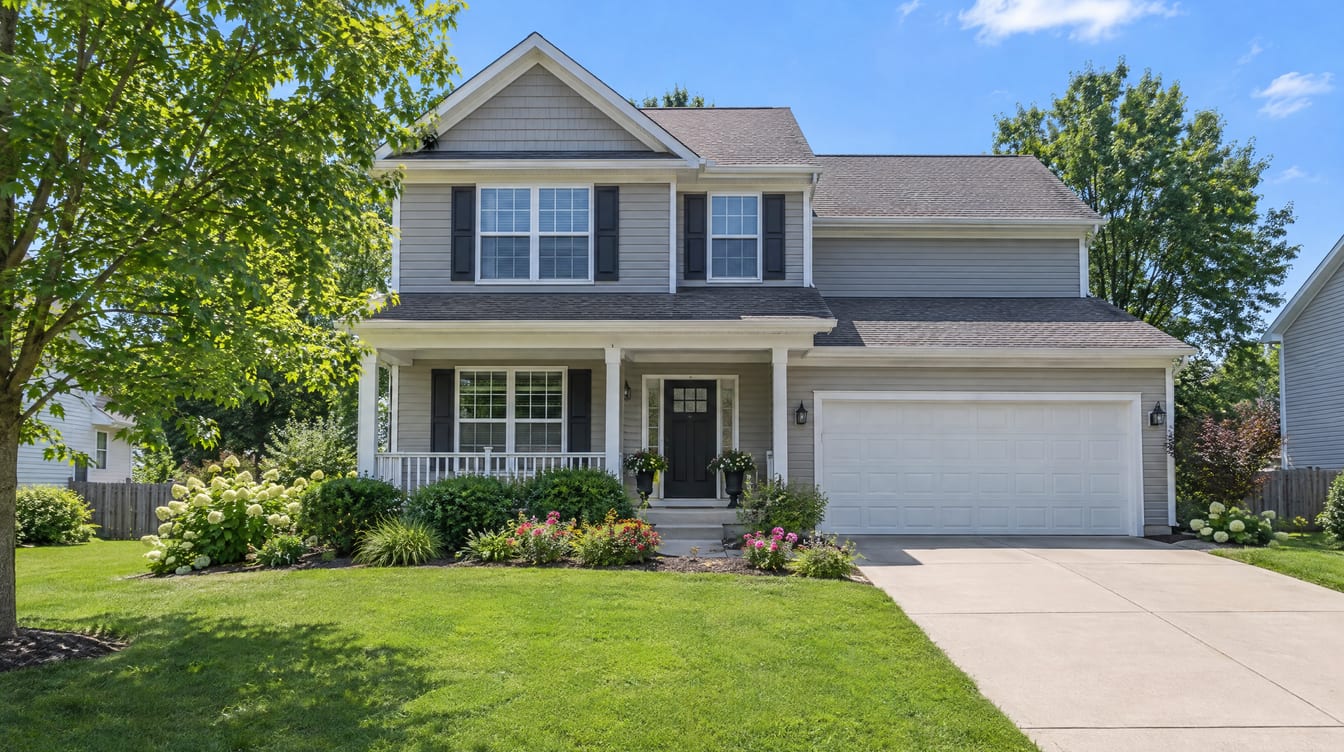
New Construction in South Jersey
A new home comes with its own rules, paperwork and protections
New Jersey law covers builder registration, new home warranties, certificates of occupancy and disclosures for planned communities. Cathy Walters helps you understand each piece before you sign.
What should I know before buying a new construction home in New Jersey?
In New Jersey, check that the builder is registered with the Department of Community Affairs, know your one, two and ten year warranty periods, and have an attorney review the builder’s contract. Cathy Walters helps South Jersey buyers understand these steps and connects them with attorneys and inspectors from her network.
Buying a newly built home is different from buying a resale. The builder’s contract, the warranty and the timeline all work in their own way. Cathy wants you to understand what you’re agreeing to. Let’s walk through your options and the protections New Jersey gives you.
Builder registration and the New Home Warranty
New Jersey’s New Home Warranty and Builders’ Registration Act (N.J.S.A. 46:3B-1 et seq.), enacted in 1977, requires new home builders to register with the NJ Department of Community Affairs (DCA) and to warrant the homes they sell. A builder cannot pull a permit without registration. You can look up a builder in the DCA’s online listing of New Jersey new home builders.
The warranty coverage periods are set by law. Year one covers most defects in workmanship and materials, including appliances, fixtures and finishes. The first two years cover heating, cooling, plumbing and electrical systems. Ten years cover major structural defects. Some items, such as driveways, fences, pools and landscaping, are excluded.
Filing a warranty claim the right way
According to the DCA, talking to or writing to your builder is not the same as filing a claim. You must notify the builder in writing about defects you want fixed. You must also file a formal claim with your warranty plan administrator before the coverage period ends, or the claim will be denied. The claim process is explained in the booklet you receive at closing. Keep that booklet with your closing papers, and mark the one, two and ten year dates on your calendar.
Contracts, attorney review and planned communities
New Jersey’s three-business-day attorney review clause is required on contracts prepared by real estate licensees for homes with one to four units and vacant one-family lots (N.J.A.C. 11:5-6.2). Many builders use their own contracts. Ask whether attorney review is included, and have a New Jersey real estate attorney read the builder’s contract before you sign.
If the home is in a planned real estate development, such as a condominium or a community with an association, the Planned Real Estate Development Full Disclosure Act applies. The developer must register its offering plan with DCA before offering homes for sale. You must receive a current Public Offering Statement on or before the contract date. The regulations also let you cancel the contract without cause by written notice delivered by midnight of the seventh calendar day after you sign (N.J.A.C. 5:26-6.2).
Certificate of occupancy and property taxes
Under New Jersey’s Uniform Construction Code, a new building may not be used or occupied until the local construction official issues a certificate of occupancy (N.J.A.C. 5:23-2.23). A temporary certificate may be issued when the remaining work does not affect health or safety. The builder must show proof of warranty coverage to the construction official before the certificate of occupancy is issued.
Plan for property taxes too. New Jersey assesses property as of October 1. A home finished later in the year can receive an added assessment, prorated for the rest of the tax year. The state assessors’ handbook says a structure is complete when it is ready for its intended use. If an added assessment was missed, an omitted added assessment can follow. Ask the town’s tax assessor how the home will be assessed, and budget for it.
How Cathy helps with new construction
Cathy Walters has been a licensed New Jersey real estate professional since 2007 and is known for her eye for design. She helps buyers see a property’s potential, which can help when you compare floor plans, options and lots. She can also connect you with professionals from her network, including real estate attorneys, inspectors, contractors and insurance professionals. Let’s look at the bigger picture together, from the builder’s paperwork to the warranty booklet.
Quick facts
| Governing law | New Home Warranty and Builders’ Registration Act, N.J.S.A. 46:3B-1 et seq. |
|---|---|
| Builder lookup | DCA listing of NJ new home builders (DCA Services Portal) |
| Warranty periods | 1 year workmanship and materials; 2 years systems; 10 years major structural defects |
| Who oversees it | NJ DCA, Bureau of Homeowner Protection |
| Occupancy | Certificate of occupancy from the local construction official (N.J.A.C. 5:23-2.23) |
| Planned communities | Public Offering Statement on or before the contract date; 7-calendar-day right to cancel |
| Property tax | Added assessment for homes completed after October 1; ask the local tax assessor |
Before you sign with a builder: what to check
- Look up the builder in the DCA’s listing of registered New Jersey new home builders.
- Have a New Jersey real estate attorney review the builder’s contract and ask whether attorney review is included.
- If it’s a planned community, get the Public Offering Statement and note your seven-day cancellation deadline.
- Ask which warranty plan covers the home and what is excluded.
- Plan an independent inspection before closing.
- Confirm the certificate of occupancy will be issued before you move in.
- Ask the tax assessor how and when the finished home will be assessed.
Get matched with homes
Curated list within one business day.
FAQ
Questions people ask
How do I check if a builder is registered in New Jersey?
The NJ Department of Community Affairs keeps an online listing of New Jersey new home builders. All new home builders must be registered, and a builder cannot pull a permit without registration. You can also call the Bureau of Homeowner Protection with questions.
What does the New Jersey new home warranty cover?
The law sets three coverage periods. Year one covers most workmanship and materials defects. The first two years cover heating, cooling, plumbing and electrical systems. Ten years cover major structural defects. Items such as driveways, fences, pools and landscaping are excluded.
Is telling my builder about a defect the same as filing a claim?
No. The DCA says you must notify the builder in writing, and you must also file a formal claim with your warranty plan administrator before the coverage period ends. A late claim will be denied.
Does a builder contract include attorney review?
The three-business-day attorney review clause is required on contracts prepared by real estate licensees for one to four unit homes and vacant one-family lots. A builder’s own contract may be different, so ask, and have a New Jersey attorney review it before you sign.
What is a Public Offering Statement?
In a planned real estate development, such as a condominium or a community with an association, the developer must give you a current Public Offering Statement on or before the contract date. The developer must provide Parts I and II at no charge, and a statement is only current if it includes all amendments approved by the state agency.
Can I cancel a contract in a new planned community?
Under N.J.A.C. 5:26-6.2, a purchaser in a planned real estate development may cancel without cause. Written notice must be sent or delivered by midnight of the seventh calendar day after the contract was signed.
Can I move in before the certificate of occupancy?
No. A new building may not be used or occupied until the construction official issues a certificate of occupancy. A temporary certificate is possible when the remaining work does not affect health or safety.
Why did I get an added assessment tax bill?
New Jersey assesses property as of October 1. A home completed after that date can receive an added assessment, prorated for the rest of the tax year. If one was missed, an omitted added assessment can follow. Your tax assessor can explain the timing.
Sources
- Consumer Information for New Home Buyers · NJ Department of Community Affairs
- Listing of NJ New Home Builders · NJ Department of Community Affairs
- New Home Warranty Program overview · NJ Department of Community Affairs
- Bureau of Homeowner Protection · NJ Department of Community Affairs
- Planned Real Estate Development · NJ Department of Community Affairs
- N.J.A.C. 11:5-6.2, Attorney review clause · Legal Information Institute (text of NJ Administrative Code)
- N.J.A.C. 5:26-4.1, Public offering statement · Legal Information Institute (text of NJ Administrative Code)
- N.J.A.C. 5:26-6.2, Purchaser’s right to cancel · Legal Information Institute (text of NJ Administrative Code)
- N.J.A.C. 5:23-2.23, Certificates of occupancy · Legal Information Institute (text of NJ Administrative Code)
- Assessors Handbook, Chapter 7: Added and Omitted Assessments · NJ Division of Taxation
Next step
Considering a new build?
Tell Cathy about the community or builder you’re looking at, and she’ll help you sort out the questions to ask.